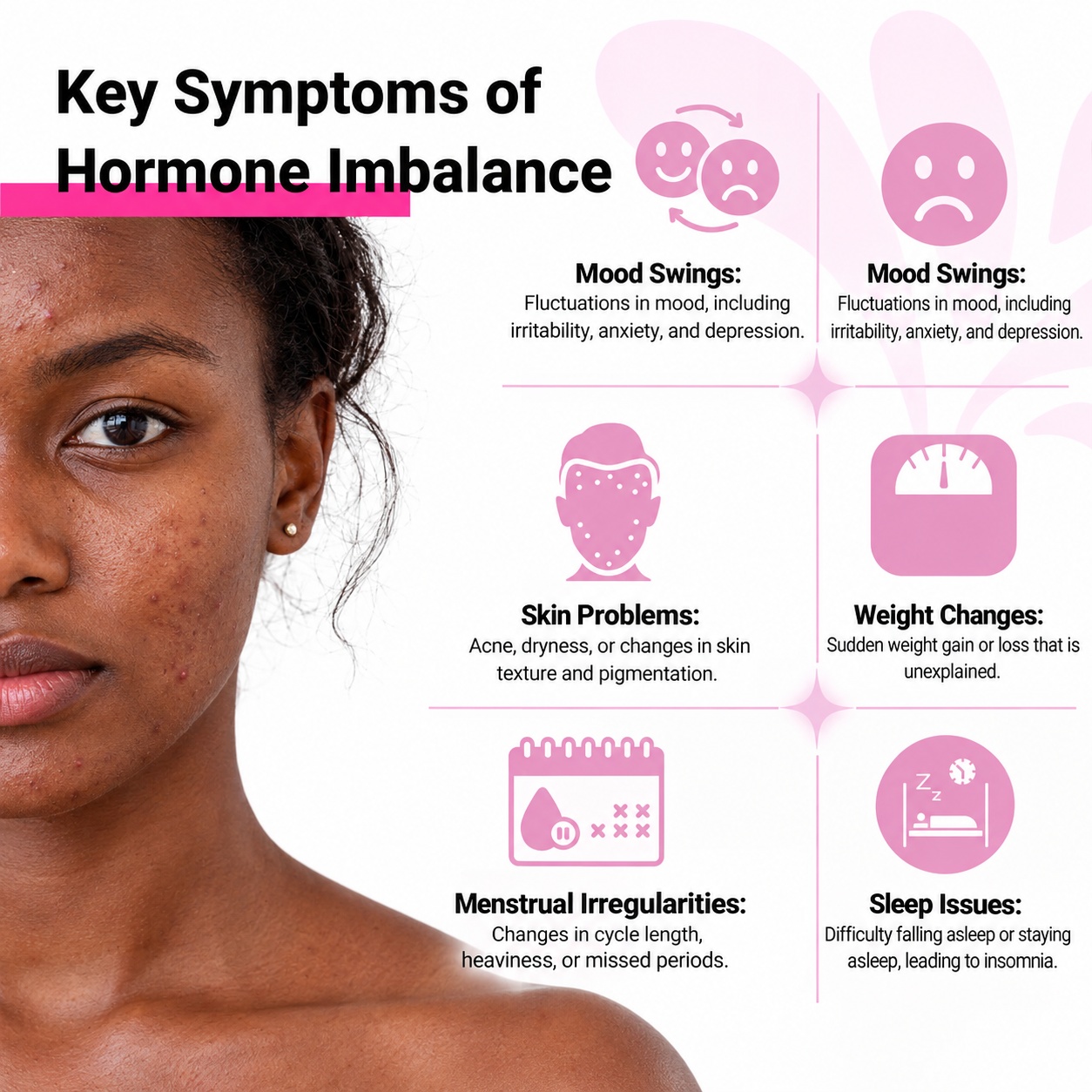
Hormones can influence much more than your menstrual cycle. They are involved in processes throughout the body, including reproduction, metabolism, mood, sleep and energy.
That's why when a woman feels like something is "off," she may notice several changes at once — perhaps changes around her period, mood, energy, appetite or general wellbeing.
But here's something important: hormonal health isn't about having "perfect" hormones. It's about understanding your body and supporting your overall health.
And sometimes, the best place to start isn't with another quick-fix product. It's with your everyday habits.
What Does "Hormonal Balance" Actually Mean?
You may have seen countless products online promising to "balance your hormones." But hormones aren't simply something that needs to be increased or decreased.
Your body naturally produces different hormones in changing amounts throughout your menstrual cycle and at different stages of life. For example, estrogen and progesterone naturally fluctuate during the menstrual cycle.
So rather than thinking:
That's a much healthier approach.
7 Things That Can Support Your Hormonal Health
1. Get Enough Sleep
Your body does a lot of its recovery work while you're sleeping. Consistently poor sleep can affect your energy, appetite, mood and overall wellbeing. Aim for a regular sleep schedule rather than treating sleep as something you sacrifice whenever life gets busy.
2. Manage Your Stress
Stress is part of life. Work, relationships, finances, family and everyday responsibilities can all contribute to it. The goal isn't to eliminate stress completely — it's to develop ways of managing it. Walking, exercising, journaling, spending time outdoors, meditation, prayer or simply taking some quiet time can all become part of your personal stress-management routine.
3. Eat a Balanced Diet
Your body needs adequate nutrients to function properly. Instead of constantly jumping from one restrictive diet to another, focus on balanced meals containing vegetables, fruits, protein, whole grains and healthy fats. Your goal should be nourishment — not punishment.
4. Move Your Body
You don't need to spend two hours in the gym every day. Walking, strength training, dancing, cycling, stretching and other forms of physical activity can all contribute to your overall wellbeing. The best exercise is often the one you can actually do consistently.
5. Stay Hydrated
Water is one of the simplest things you can improve. Make hydration part of your daily routine rather than waiting until you're extremely thirsty.
6. Pay Attention to Your Menstrual Cycle
Your period can provide useful information about your body. Start tracking:
- When your period begins
- How long it lasts
- Changes in flow
- Pain or discomfort
- Mood changes
- Bloating
- Energy levels
- Other symptoms you notice
This can help you understand your personal pattern and give you useful information to discuss with a healthcare professional if something changes.
7. Consider a Simple Herbal Wellness Routine
This is where herbal teas can fit into your lifestyle. Rather than thinking of herbal tea as a magic solution for hormonal problems, think of it as one small part of your broader self-care routine.
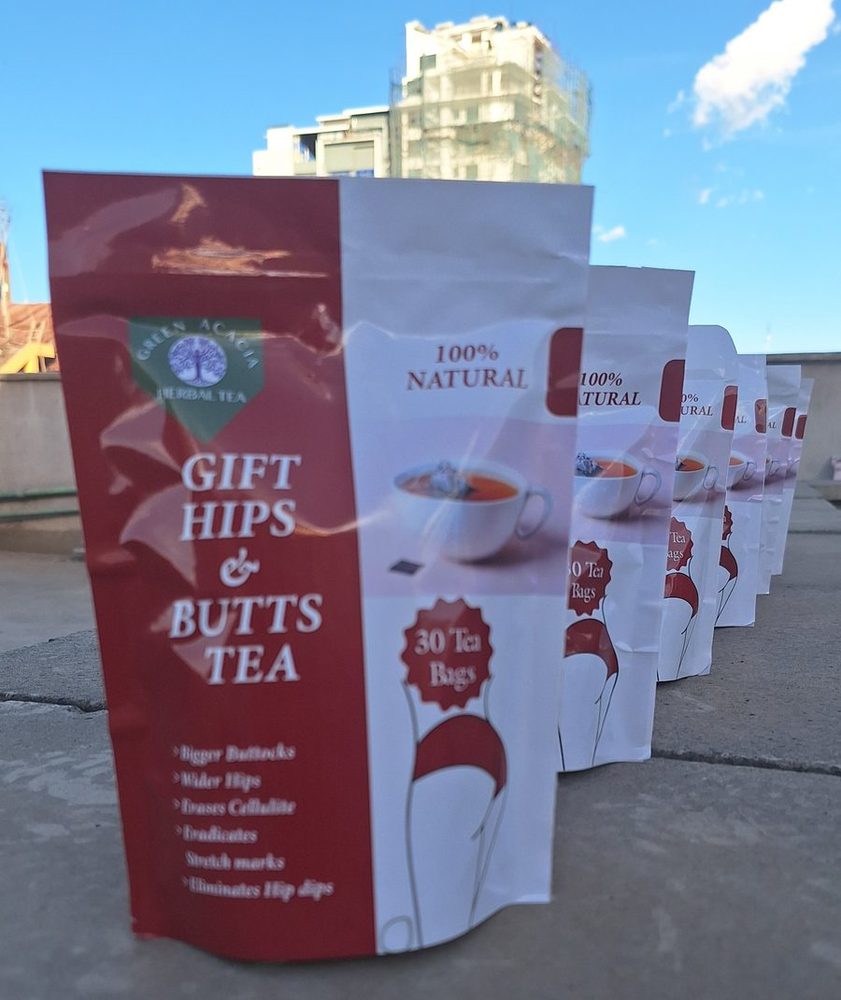
Gift Hips & Butts Tea contains red maca, fenugreek, ashwagandha among other herbal blends. Of these ingredients, maca and fenugreek are particularly relevant when discussing women's wellness because they have been investigated in relation to women's reproductive and menstrual experiences.
Research on maca in women has included studies of menopausal symptoms, but systematic reviews have concluded that the evidence is still limited and larger, better-quality studies are needed.
Fenugreek has also traditionally been used for menstrual and women's health purposes, but the NCCIH notes that there isn't enough high-quality evidence to make firm conclusions about its effectiveness for menstrual cramps and several other uses.
Ashwagandha is another interesting ingredient because of its traditional use and research into stress and other areas of health. However, evidence is currently insufficient to establish it as a treatment for female hormonal conditions.
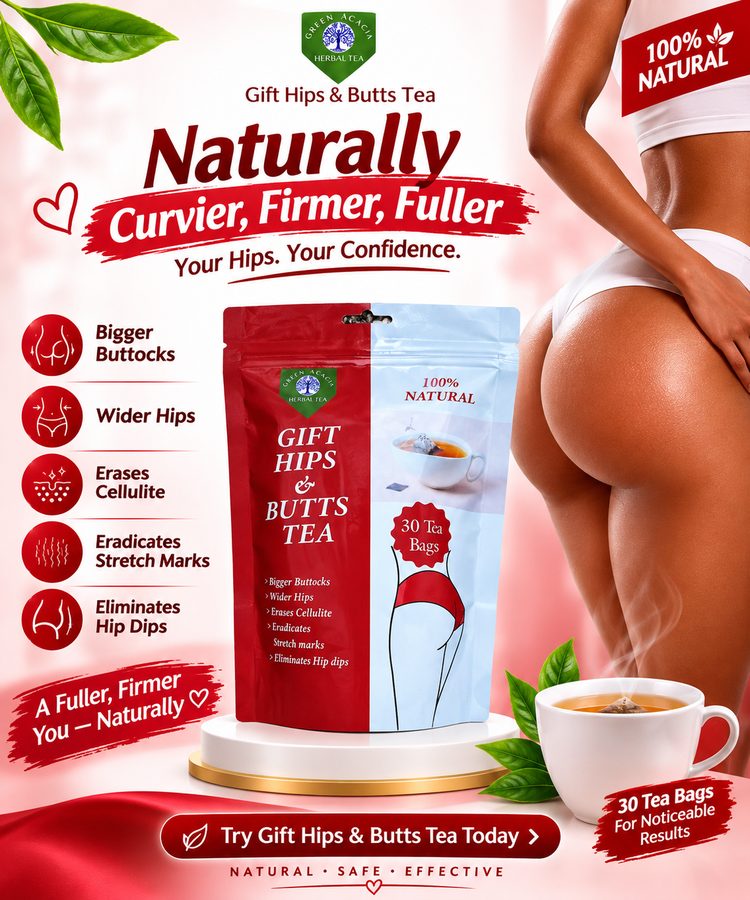
🍑 Gift Hips & Butts Tea
Made with red maca, fenugreek, ashwagandha and other herbal blends — one small part of a broader wellness and self-care routine.
Shop This Tea →When Should You Talk to a Healthcare Professional?
Not every change in your menstrual cycle means something is wrong. However, significant or persistent changes shouldn't simply be blamed on "hormonal imbalance."
If you experience unusual changes in your periods, severe pain, very heavy bleeding, persistent symptoms or other concerning changes, consider speaking with a qualified healthcare professional.
And if you're pregnant, taking medication or managing a medical condition, it's particularly important to check with a healthcare professional before using concentrated herbal products.
For example, NCCIH advises against using ashwagandha during pregnancy and notes potential interactions with certain medications. Fenugreek also has important pregnancy safety considerations at amounts above those normally found in food.
Your Hormonal Health Is Bigger Than One Product
This is probably the most important message of this entire article.
No tea can replace sleep. No supplement can replace good nutrition. No herbal product can replace appropriate medical care. And your body isn't a machine that needs to be "fixed" every time something changes.
Your hormonal health is connected to your overall wellbeing. Start with the basics:
- Sleep
- Nutrition
- Movement
- Hydration
- Stress management
- Self-care
- Consistency
Then, if you enjoy herbal tea, make it part of your daily ritual.
🌿 Build Your Wellness Routine With Gift Naturals
If you're working on your 30-Day Glow Up, Gift Hips & Butts Tea can be incorporated into your personal wellness routine alongside balanced nutrition, movement and self-care.
Your glow-up isn't about changing everything overnight. It's about taking better care of yourself — one day at a time.